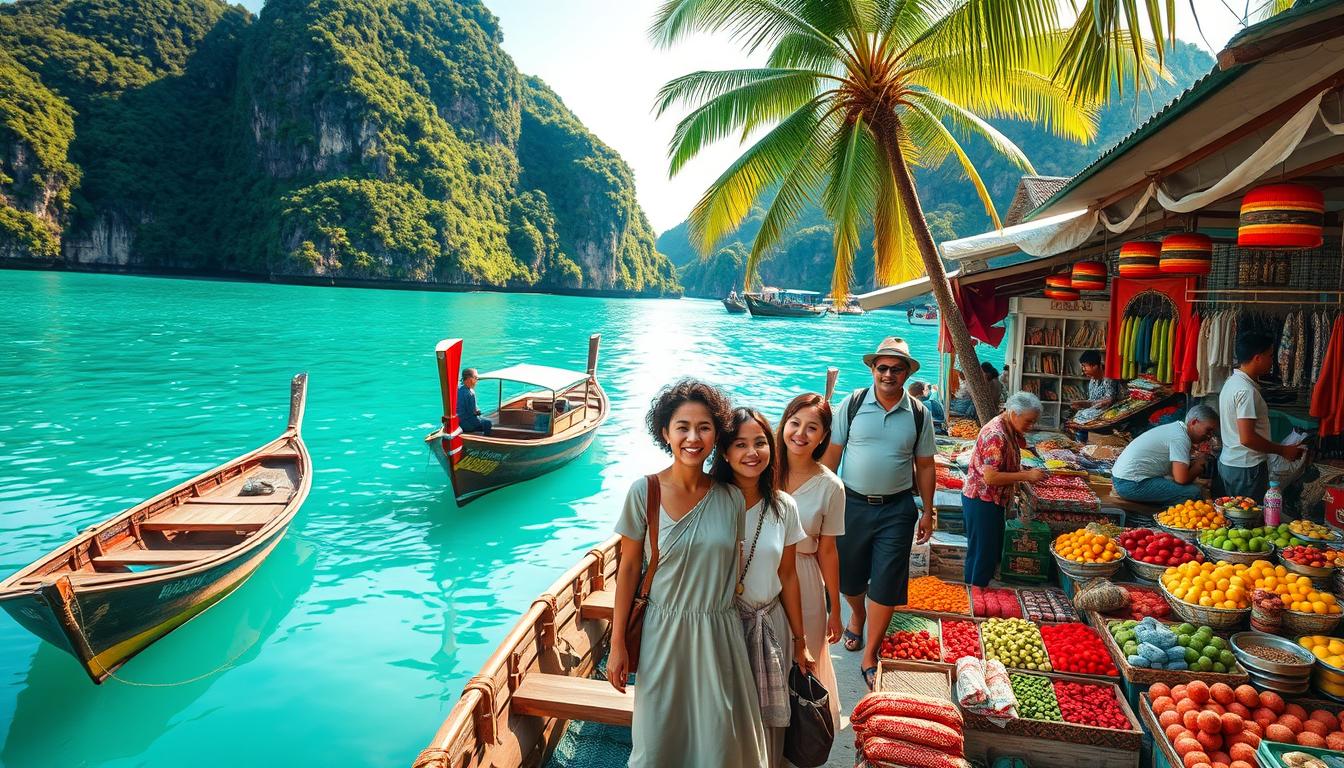
Welcome to your starting point for exploring one of the world’s most captivating regions. This comprehensive guide is crafted specifically for newcomers. It will help you journey with confidence and ease.
This part of the world has been a celebrated backpacker trail since the late 1960s. It perfectly blends adventure, rich culture, and breathtaking natural beauty. You will also find modern infrastructure that simplifies getting around.
The area is known for being incredibly safe, even for those traveling solo. Thailand serves as the primary hub, with Bangkok offering extensive international flight connections. From there, you can access thousands of islands and fascinating neighboring countries.
You can expect excellent value, famously friendly locals, and incredibly delicious cuisine. Whether you dream of pristine beaches, ancient temples, or vibrant urban life, this resource helps you plan an unforgettable trip.
Key Takeaways
- This region has a well-established history as a top backpacker destination dating back decades.
- It is widely recognized as a safe area for all travelers, including solo explorers.
- Thailand, and Bangkok specifically, acts as a major transportation and arrival hub.
- The diversity is staggering, from over 17,000 islands in Indonesia alone to numerous unique cultures.
- Visitors enjoy outstanding value for money, world-class food, and very welcoming people.
- This guide draws on extensive experience to help first-time visitors navigate like seasoned pros.
- Effective planning involves choosing from a vast array of attractions, from relaxation to adventure.
Introduction to Southeast Asia for First-Time Travelers
The moment you arrive, you’ll understand why generations of adventurers have made this their preferred destination. Your journey blends ancient temples with buzzing cities and serene islands.
What to Expect on Your Journey
Prepare for a sensory welcome. Golden stupas gleam beside aromatic food stalls. The tropical air carries scents of lemongrass and street food.
Transport here is an adventure itself. Colorful tuk-tuks weave through traffic. Motorbikes are everywhere in this part of the world.
You’ll find it easy to connect with other explorers. Hostels and cafes are social hubs. Local people often greet visitors with warm smiles.
Inspiration from Experienced Backpackers
Many plan brief trips but stay for months. One traveler arrived for three weeks in 2012 and extended to nine months. This region has a way of capturing hearts.
Don’t worry if it feels overwhelming at first. That’s normal for any new destination. The initial chaos quickly becomes familiar and welcoming.
This corner of the globe suits all travel styles. Budget backpackers, luxury seekers, and families all find their perfect experience here.
Why Explore Southeast Asia
What makes this area so compelling is its ability to deliver profound experiences without a profound price tag. Your daily budget stretches remarkably far here compared to Western nations. You can enjoy high-quality meals, comfortable stays, and unique activities for a fraction of the cost.
The diversity across these countries is staggering. Your journey can include:
- Ancient Buddhist temples and serene Hindu sites.
- Pristine islands with vibrant coral reefs.
- Dense rainforests and dramatic limestone mountains.
- Bustling cities filled with colonial history.
Famous hospitality makes connecting with local people easy and rewarding. English is widely spoken in many destinations, smoothing your interactions. This warmth turns simple visits into authentic cultural exchanges.
Practical logistics are also a major advantage. Recent visa changes allow longer stays across the region. Well-established backpacker routes offer reliable infrastructure. Right now, many iconic sites are less crowded, offering a more serene experience.
Overview of Top Destinations in the Region
Each country in this part of the world offers a distinct flavor and set of experiences. Your journey can be tailored to match your personal interests, from vibrant cities to serene natural wonders.
Highlights from Thailand, Vietnam, and Cambodia
Thailand is often the perfect first stop. It boasts excellent tourism infrastructure and a huge diversity of attractions. You can explore golden temples in Bangkok, relax on southern islands, or visit hill tribes in northern thailand.
Vietnam delivers exhilarating contrasts. The energy of Ho Chi Minh City is unforgettable, with its bustling markets and millions of motorbikes. The country also offers stunning caves, scenic train journeys, and incredibly low costs.
In Cambodia, the magnificent Angkor Wat complex near Siem Reap is a must-see. It’s one of the largest ancient religious sites on Earth. Plan multiple days to fully appreciate this awe-inspiring place.
These three countries provide a fantastic introduction to the region. Each has unique places that cater to different travel styles, whether you seek culture, adventure, or relaxation.
Planning Your Trip: Key Considerations
Planning a trip is less about checking boxes and more about designing an experience that resonates with you. The best countries to visit depend hugely on what you’re looking for, as each offers unique highlights.
Setting Your Priorities and Itinerary
Start by asking yourself core questions. Do you want a fast-paced tour of major sites or deep immersion in fewer places? Your answers define your entire journey.
Be realistic with your time. Trying to cram too much leads to burnout. It’s better to fully enjoy a few destinations than to rush through many.
Key priorities to define include:
- Cultural immersion in temples and local life.
- Beach relaxation on pristine coastlines.
- Adventure activities like trekking and diving.
- Food exploration through street markets.
- Budget management for daily costs.
Also keep mind practical logistics like visa rules and seasonal weather. There’s no single “right way” to explore this region. The perfect plan aligns with your personal interests and available time.
Essential Tips for Planning Southeast Asia Travel
Navigating logistics like visas and insurance ensures your focus stays on discovery, not stress. Recent changes allow broader visa-free stays, making slow backpacker routes simpler than ever.
Purchase comprehensive travel insurance before you leave. Always make copies of your passport and ID. Forward your itinerary to someone at home.
Pack light, smart clothing. You need items that cover shoulders and knees for temple visits. A rain jacket is wise for sudden tropical showers.
Get a local SIM card upon arrival for affordable data. Download apps like Grab for transport. They make getting around a breeze.
For money, use ATMs from major banks to avoid high fees. Notify your bank of your trip plans. Bangkok is a perfect gateway hub with countless flight connections.
These simple things protect your budget and well-being. They let you enjoy each day of your adventure fully. This travel guide aims to make your journey seamless.
Understanding Seasonal Weather and Best Times to Visit
The climate across this region is as diverse as its cultures, with patterns shifting dramatically from country to country. Picking the right time for your journey is key to enjoying perfect beach weather or vibrant cultural events.
Monsoons, Dry Seasons, and Local Festivals
Most areas have a distinct dry season and a monsoon period. The wet season doesn’t mean rain all day. You often get short, heavy downpours followed by sunshine.
Visiting during these months has perks. You’ll find lower prices, fewer crowds, and incredibly lush landscapes. Waterfalls are at their most impressive.
Each country has its own rhythm. Northern Vietnam can get quite cool from November to March. Southern Vietnam is hot and rainy from June to September.
Thailand has three distinct periods. The cool, dry time from late October to February is ideal for most visitors.
Planning around festivals adds a special bit of magic to your trip. These events offer a deep look into local traditions.
| Country | Best Time to Visit | Key Seasons | Notable Festival |
|---|---|---|---|
| Thailand | Nov – Feb | Cool & Dry | Songkran (Apr) |
| Vietnam | Feb – Apr or Aug – Oct | Varies by Region | Tet (Jan/Feb) |
| Cambodia | Dec – Jan | Warm & Dry | Bon Om Touk (Oct/Nov) |
| Indonesia (Bali) | May – Sep | Dry Season | Nyepi (Mar) |
| Philippines | Dec – Feb | Dry Season | Ati-Atihan (Jan) |
With smart planning, you can enjoy great conditions any part of the year. You simply move between regions as the weather changes.
Navigating Transportation and Getting Around
Transportation networks here are diverse and constantly evolving, making connectivity between major cities and remote islands easier than ever. Your choice of transport shapes your daily experience and overall budget.
Local Options and International Connections
Within cities, iconic tuk-tuks and motorbike taxis offer cheap, thrilling rides. For comfort and fixed prices, use the Grab app like a local. It works across many countries.
Between nations, budget airlines connect major hubs affordably. Bangkok is the primary gateway with extensive flights. Overland buses are reliable for crossing borders.
New infrastructure is a game-changer. Laos now has a high-speed train linking key towns. Bangkok’s expanded MRT reaches the historic old town.
For island trips, high-speed ferries depart frequently. You can book a day tour through local agents. Overnight sleeper trains in Thailand save a hotel night.
Renting a motorbike is popular for exploring. Always wear a helmet and check the rental agreement. This freedom lets you discover hidden gems at your own pace.
Where to Stay in Southeast Asia: Accommodation Options
Your choice of lodging can transform a simple trip into an unforgettable experience. The region offers an incredible range of places to rest, from ultra-budget dorm beds to unique jungle treehouses.
Hostels, Hotels, and Unique Stays
Hostels are the backbone of the backpacker network. A dorm bed typically costs $6-12 USD per night. Private rooms in hostels run $15-30 USD per night.
These are social hubs perfect for solo explorers. Top picks include Mad Monkey in Bangkok and The Hideout in Ho Chi Minh City.
Budget hotels offer excellent value for a bit more privacy. You can often find a comfortable room with air conditioning for $15-35 USD per night.
This is a smart choice for couples or those wanting a quiet stay. Prices vary greatly between cities and countries.
For a truly special accommodation, seek out unique stays. Sleep in floating bungalows on Cheow Lan Lake in Thailand. Or, spend a night in a treehouse 40 meters high in Laos.
These experiences define a budget-friendly adventure. Always compare prices on booking platforms to find the best deal for your stay.
Southeast Asia Cuisine and Street Food Adventures
Eating your way through this region is an adventure in itself, with each bite revealing layers of history and local ingenuity. The street food culture is legendary, offering incredible meals for just $2-5 USD.
Some of the world’s best food comes from humble carts. In Singapore, hawker centers serve Michelin-starred dishes for a few dollars.
Must-Try Dishes and Local Markets
Every city has its signature flavors. Try pad thai in Thailand or pho in Vietnam. Local markets are the heart of this culinary scene.
Bangkok’s Chatuchak Market and Vietnam’s morning markets are dizzying beehives of activity. They are perfect places to explore.
For a deeper dive, join a cooking class or a guided culinary adventure tour. These experiences connect you directly with the vibrant street culture and delicious food.
Cultural Insights: Temples, Festivals, and Traditions
The cultural landscape here is defined by majestic temples, colorful celebrations, and time-honored customs. Engaging with these elements offers a deeper understanding of local life and history.
Iconic Sites and Authentic Experiences
Angkor Wat near Siem Reap is a UNESCO World Heritage Site that demands multiple days to explore. A one-day pass costs $37 USD, while a week-long pass is $72 USD. Don’t miss Bayon Temple with its 216 stone faces or the jungle-entwined Ta Prohm.
Thailand’s temples are equally spectacular. Visit Bangkok’s Grand Palace or climb 300 steps to Chiang Mai’s 600-year-old Wat Doi Suthep. In Myanmar, Bagan’s ancient pagodas date back to the 11th century.
Most temple visits require covered shoulders and knees. Removing shoes is customary. Always show respect by speaking softly and avoiding inappropriate poses for photos.
For historical context, tours to the Killing Fields near Phnom Penh commemorate tragic events. In Vietnam, the War Remnants Museum in Ho Chi Minh City provides sobering insights. Guided tours help navigate these sensitive sites.
Beyond monuments, immerse yourself in local culture. Attend Buddhist alms-giving ceremonies at dawn. Participate in water festivals or lantern releases. These authentic experiences create lasting memories and connect you to vibrant traditions.
Outdoor Adventures and National Park Escapes
For those who crave the call of the wild, this region’s national parks and jungle trails offer unforgettable adventures. Swap crowded streets for misty rainforests and the sounds of exotic wildlife.
Jungle Trekking and Wildlife Encounters
Guided jungle trekking typically costs $30-50 USD per day. The most intense treks are in Malaysian Borneo, while northern thailand offers fantastic multi-day trips with hill tribe homestays.
Visit national park gems like Thailand’s Khao Sok. Entrance is around $6 USD, with full-day tours at $95. You can sleep in floating bungalows on Cheow Lan Lake.
For a unique adventure, try Laos’s Gibbon Experience. You sleep in treehouses 40 meters high and zip-line through the canopy. It’s one of the coolest things to do.
Seek ethical wildlife encounters. Visit the Elephant Nature Park near Chiang Mai for a day. Or, swim with whale sharks in the Philippines through a conservation project.
Allocate several days for these immersive experiences. They reveal a world far from the beach islands like koh phangan. This is where true adventure lives.
Island Hopping and Beach Getaways
With thousands of tropical shores to explore, island hopping unlocks a paradise for every traveler. You can find legendary beach parties on Koh Phangan or serene, unspoiled beaches on Cambodia’s Rabbit Island.
The variety is astounding. Thailand’s famous islands like Phuket and Koh Phi Phi draw crowds. For quieter vibes, try Ko Lanta or Indonesia’s Lombok.
The Philippines boasts over 7,000 islands. El Nido’s karst cliffs are iconic. Central Visayas offers gems like Bohol and Siquijor.
“The ocean’s rhythm on a remote shore is the best therapy.”
For underwater adventures, diving here is world-class. Ko Tao is perfect for learning, with PADI courses around $250. Certified divers can explore sites like Sipadan in Malaysia.
Plan your day trips and ferry connections wisely. Combining islands with different energies makes for a rich journey.
| Island Type | Example | Best For |
|---|---|---|
| Party Hub | Koh Phangan, Thailand | Full Moon Party, nightlife |
| Diving Mecca | Ko Tao, Thailand | PADI courses, coral reefs |
| Secluded Escape | Koh Rong Sanloem, Cambodia | Quiet beaches, simplicity |
| Surf Destination | Siargao, Philippines | Consistent waves, laid-back vibe |
| Nature Lover’s Dream | Togean Islands, Indonesia | Pristine bays, jungle hikes |
Allocate enough time for each stop. Ferry networks connect major islands efficiently. Always respect fragile marine ecosystems during your visit.
Backpacking Itineraries for Every Traveler
Your available time is the single biggest factor shaping your journey across these diverse nations. This guide provides concrete itinerary suggestions to maximize your days, whether you have one week or several months.
Short Trips vs. Extended Journeys
For a one-month trip, split your time between two countries. A classic itinerary pairs Thailand and Vietnam. Another excellent loop combines Vietnam and Cambodia.
This second option might start in Hanoi, move south to Ho Chi Minh City, then bus to Phnom Penh. You would finish at Siem Reap for Angkor Wat.
With three months, you can explore more deeply. Allocate a week to Bangkok and southern Thai islands. Then, give several weeks to traveling through Vietnam.
Finally, spend a week or more in Cambodia, visiting Phnom Penh and the coast before Siem Reap.
| Trip Duration | Sample Focus | Key Destinations | Pace |
|---|---|---|---|
| 1 Month | Two-Country Highlights | Bangkok, Hanoi, Ho Chi Minh City, Siem Reap | Moderate |
| 3 Months | Mainland Deep Dive | Thai islands, Chiang Mai, Central Vietnam, Phnom Penh | Leisurely |
| 6+ Months | Regional Exploration | Add Laos, Philippines, or Indonesia | Very Slow |
Start in Bangkok for its flight connections. Plan your route geographically to avoid backtracking. Build in rest days.
Fly for long jumps, like Bangkok to Hanoi. Your itinerary is a blueprint. Customize it by adding beach days or extra travel in places you love.
Travel Safety and Best Practices
A journey through this region is overwhelmingly positive, but being aware of common precautions ensures peace of mind. Violent crime against visitors is extremely rare. Most people complete their trips without any serious issues.
Petty theft, like bag snatching, is the most common concern. It happens in crowded tourist spots. Always hold your bag securely and never leave valuables unattended on a beach.
Common scams target newcomers. The motorbike rental scam involves false damage claims. Always take photos before renting. Tuk-tuk drivers may take you to shops for commissions. Politely insist on your destination.
| Scam Type | How It Works | Prevention Tip |
|---|---|---|
| Motorbike Rental | Charging for pre-existing damage | Take detailed photos before use |
| Tuk-Tuk Commission | Diverting to specific shops | Agree on price and route upfront |
| Gem Scam | Selling fake jewels as valuable | Avoid “too good to be true” deals |
Solo female travelers should keep mind extra precautions. Avoid walking alone at night. Watch your drink in bars. Carry extra cash for a safe taxi ride.
Steer clear of drugs and sex tourism. Penalties are severe. These things lead to the most trouble for tourists.
Keep mind proactive steps. Purchase comprehensive travel insurance. Make copies of your passport. Share your itinerary with loved ones. Trust your gut instinct—it’s your best safety tool.
Budgeting and Money-Saving Strategies
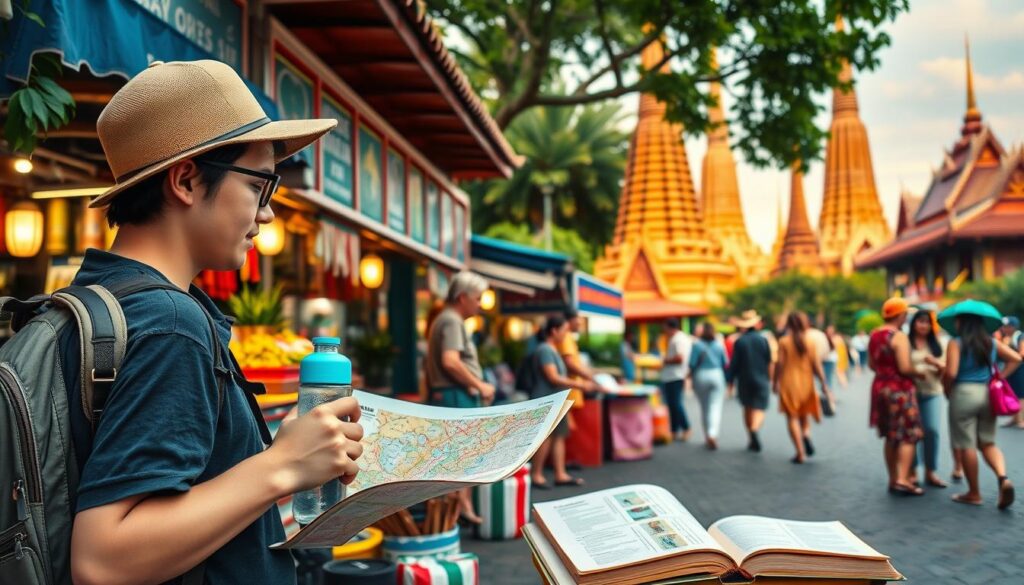
Understanding daily expenses allows you to design a journey that fits your financial comfort zone. A savvy backpacker can thrive on about $50 USD per day. This covers a dorm bed, tasty meals, local transport, and fun activities.
Daily Costs and Affordable Tips
Accommodation sets your baseline. A hostel dorm costs $6-12 per night. A private room in a budget hotel runs $15-35. Your biggest daily expense will likely be food.
Street food is delicious and costs just $2-5 per meal. A sit-down restaurant might charge $10-20. A local beer is often $1-3. These prices make eating out cheaper than groceries.
Country variations are significant. Vietnam and Cambodia have very low costs. Thailand offers great value. Singapore matches Western prices. To save money, eat at local stalls and use buses.
Visit during the shoulder season for lower costs. Use ATMs for cash and budget a bit extra for special courses. With smart planning, your day-to-day money goes far.
Conclusion
Many who come for a brief visit discover they want to stay much longer, captivated by the region’s endless possibilities. This area has been a magnet for explorers since the 1960s. It offers incredible value and diversity for every style and budget.
Your personal journey is where the real magic happens. Spontaneous detours and local encounters often become cherished memories. Remember to book travel insurance and keep document copies.
This travel guide provides a starting point. Focus on the places and activities that excite you most. There will always be reasons to return. As you explore, consider sustainable travel practices to protect these precious destinations.
Embrace the adventure with an open mind. Connect with local people and respect cultural differences. Your unforgettable experience awaits.